Origins, Evolution, and the Finnish Perspective
This question may arise for professional dancers as well as for non‑dancers who have witnessed Show Dance in its diverse, spectacular forms. The style is known for its theatricality, emotional range, and choreographic freedom — but what exactly is Show Dance, and how did it become so popular in Finland?
In this article, I explore the origins of the term, the evolution of the style, and the unique way Show Dance has developed in modern Finland.
The information is based on insights from Finnish show dance teachers, historical sources, and my own current understanding of the genre as it exists today.
The Beginning of It All
The term Show Dance arrived in Finland in the 1980s through IDO — the International Dance Organization — which introduced the category in its competitions. Compared to classical dance forms, Show Dance is relatively young: just over 40 years old. Yet its international spirit, adaptability, and relevance to contemporary culture allowed it to grow rapidly and become a beloved style among Finnish dancers and choreographers.
The very name “show dance” reflects its purpose: to show something.
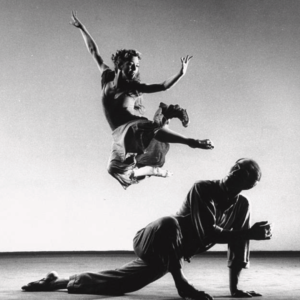
It is an expressive, entertaining performing art that, much like dance theatre, highlights moods, emotions, and storytelling. It is eye‑catching, dramatic, and diverse — a hybrid art form that thrives on creativity.
Core characteristics of show dance
Show Dance is built around a clear concept or narrative.
The audience should be able to understand the theme through: visual appearance, costume and makeup, staging, and of course, the movement itself.
The goal is to influence the viewer emotionally. A Show Dance piece may make the audience: laugh, cry, feel fear, feel joy, or simply be amazed.
This emotional range — combined with the freedom of theme, music, and technique — is what makes Show Dance a true phenomenon.
A Competitive Dance Sport
Show Dance is not only an art form but also a competitive sport.
It was born through competition numbers, and competition continues to shape its evolution.
Over time, choreography, technique, and costuming have become more refined and demanding.
Typical features of competitive Show Dance include:
- short pieces (usually 2–3 minutes),
- choreography built en face (toward the audience),
- fast transitions,
- acrobatic or gymnastic elements,
- high physical strength and flexibility,
- strong facial expression and acting skills.
The competitive environment pushes dancers and choreographers to innovate constantly.
Technique and Influences
Show Dance does not have its own codified technique.
Instead, it is a fusion of multiple dance styles, which gives it its signature richness and unpredictability.
Common influences include:
- Jazz dance (classic, Broadway, lyrical, commercial)
- Modern and contemporary dance
- Ballet
- Hip hop and commercial styles
- Musical theatre
- Acrobatics and gymnastics
- Ethnic and folkloric dances (African, Chinese, Finnish, Latin American, etc.)
- Pop culture (music videos, films, TV shows)
Because Show Dance has no strict boundaries, choreographers can experiment freely. This is why Show Dance pieces often feel bold, theatrical, and technically diverse.
The role of media
The rise of global media — movies, MTV, YouTube, TikTok, and streaming platforms — has made dance culture more accessible and international.
Finnish dancers today are influenced by:
- Broadway and West End musicals,
- Hollywood films,
- K‑pop and J‑pop,
- global dance competitions,
- and viral dance trends.
This global exposure enriches the Finnish Show Dance scene and keeps it evolving.
Show Dance in Finland Today
Finland has embraced Show Dance with remarkable enthusiasm.
The growth of dance schools, competitions, and amateur dancers has expanded the style nationwide.
A significant milestone is that Oulu University of Applied Sciences now offers a degree program in Show Dance, allowing students to major in the style and become professional show dance teachers.
This is rare internationally and highlights Finland’s unique commitment to the genre.
Finnish Show Dance is known for: strong storytelling, high technical level, clean group formations, emotional depth, and visually striking concepts.
Finnish teams have also achieved success in IDO competitions, helping shape the international standards of the style.
Inspiration: Show dance and musicals
Show Dance has always been closely connected to musical theatre.
Many choreographers draw inspiration from: Broadway classics, Hollywood musicals, and modern cinematic dance productions.
Below is a short list of musicals and films often referenced in Show Dance education and choreography:
- La La Land (modern musical with strong show dance aesthetics)
- Chicago
- Cabaret
- Moulin Rouge!
- The Greatest Showman
- West Side Story
- Fame
- A Chorus Line
- Burlesque
These productions highlight expressive storytelling, theatricality, and dance‑driven narrative — all essential elements of Show Dance.

Why show dance matters
Show Dance is more than a performance style.
It is: a creative playground, a competitive sport, a storytelling medium, and a reflection of contemporary culture.
Its openness to influence, its emotional power, and its technical diversity make it one of the most dynamic dance forms in Finland today.
Whether you are a dancer, a teacher, or simply an admirer of performing arts, Show Dance offers endless inspiration and a window into the evolving world of modern dance.