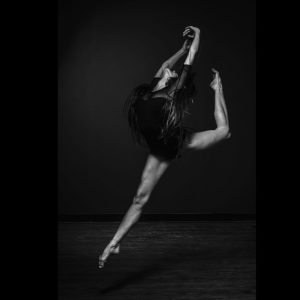

A legacy of expressive modern dance
The Limón Technique, developed by José Limón, in the mid-20th century, stands as one of the most influential modern dance methodologies. Rooted in the principles of Doris Humphrey (Limón’s mentor), Limón created a movement philosophy that emphasizes human emotion, physical expression, and the natural rhythms of the body. Today, the technique remains a vital part of contemporary dance training and performance. This technique emphasizes the expressive power of the human body, particularly through the dynamics of weight, breath, and emotion. (Dragonflydance)
Historical context
José Limón, a Mexican-American dancer and choreographer, emerged as a leading figure in American modern dance during the 1940s and 1950s. His work was deeply influenced by his cultural heritage, personal experiences, and the socio-political climate of his time. Limón sought to create a dance language that was both technically rigorous and emotionally resonant, capable of conveying the full range of human experience. (Escholarship)
Technique and core principles
The Limón Technique is a modern dance methodology that focuses on the use of breath, weight, and dynamic movement to express emotion and narrative. It is deeply rooted in the idea that dance should reflect the human experience, and it encourages dancers to move with intention, honesty, and clarity. (SFCO)
Unlike more rigid or abstract techniques, Limón’s approach is organic and fluid, allowing dancers to explore the full range of motion and emotion. It is often described as dramatic, lyrical, and grounded, with a strong emphasis on musicality and phrasing.
At the heart of the Limón Technique are several key principles:
Fall and Recovery: Inspired by gravity and borrowed from Humphrey, this concept explores the body’s relationship with gravity. Movements often involve a surrender to gravity (fall) followed by a rebound or regathering of energy (recovery).
Breath and Flow: Breath is used as a motor for movement, creating a natural ebb and flow that gives the dance a sense of organic continuity and emotional depth. (SFCO)
Weight and Suspension: Limón dancers use the full weight of the body to create grounded, powerful movements, often contrasted with moments of lightness and suspension. Movements are grounded in the body’s weight, with moments of suspension that create contrast and tension.
Opposition and Succession: Movements often involve a sense of opposition (reaching forward while pulling back) and succession (a ripple effect through the body).
Expressive Intent: Limón believed in the dancer as a communicator of human emotion and experience. The technique prioritizes emotional authenticity and storytelling, encouraging dancers to connect deeply with their material. His technique emphasizes dramatic expression and narrative. (Dragonflydance)
Artistic impact
Limón’s choreography, such as The Moor’s Pavane (1949), exemplifies the technique’s dramatic and expressive potential. This work, based on Shakespeare’s Othello, showcases the emotional depth and psychological complexity that the Limón Technique enables. Through stylized yet deeply human movement, Limón redefined the role of the male dancer and expanded the narrative possibilities of modern dance.
Why limon technique is important for contemporary dance
The Limón Technique has had a profound influence on the development of contemporary dance for several reasons:
Emotional Depth: It allows dancers to explore complex emotional landscapes, making it ideal for narrative and expressive choreography. (Dance interactive)
Versatility: The technique’s emphasis on natural movement makes it adaptable to various dance styles and choreographic approaches.
Foundation for Training: Many contemporary dancers study Limón as part of their foundational training, as it develops strength, coordination, and expressive range. (SFCO)
Legacy of Innovation: Limon’s work challenged traditional gender roles in dance and expanded the possibilities for male dancers, contributing to a more inclusive and expressive dance culture. (Dance interactive)